No transcript available for this episode.
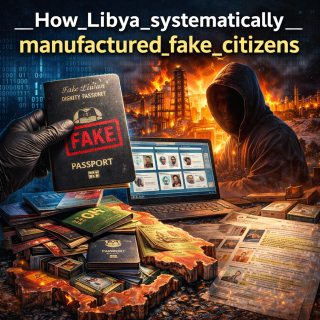
Ep. 11
This investigative report documents systematic citizenship forgery within Libya’s civil registry, revealing that over 3,500 individuals and nearly 300,000 files have been implicated in identity fraud. Between 2024 and 2026, the Libyan Attorney General exposed critical infrastructure gaps, such as private control of system source code and a lack of digital audit trails. These vulnerabilities allowed organized networks to manufacture legitimate-looking identities for foreign nationals and extremist operatives, including high-ranking ISIS leaders. Beyond administrative corruption, the report highlights the lethal risks faced by whistleblowers and the resulting devaluation of the Libyan passport on the global stage. Ultimately, the findings frame this crisis as a major national security threat that facilitates transnational crime and undermines the integrity of future democratic processes.